
The State of Africa
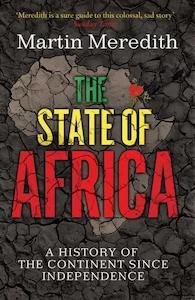
by Martin Meredith offers a comprehensive and compelling narrative of the continent's tumultuous journey post-independence. Beginning in 1957, when colonial powers started to withdraw from Africa, the book chronicles the birth of dozens of new states and the extraordinary promise they held. With enormous mineral wealth and vast economic potential, Africa seemed poised for a bright future. However, this potential was undermined by a susceptibility to corruption, violence, and recurring warfare that trapped many states in a cycle of stagnation and decline. This authoritative account delves into the myriad challenges Africa has faced over the decades. Martin Meredith provides a meticulous analysis of key personalities, pivotal events, and significant themes that have shaped the continent's modern history. From the charismatic leaders and hopeful beginnings to the despotic regimes and crippling coups, Meredith lays bare the complexities of governance and the multifaceted nature of Africa's political landscape. As Meredith examines Africa's post-independence era, he does not shy away from detailing the harsh realities, yet he also illuminates the continent's enduring resilience and hope. His eloquent writing style brings clarity to complicated issues, making the narrative not only informative but also deeply engaging. In the modern context, Meredith extends his analysis to cover Africa's continuing struggles for democracy and development, and the dynamic and often controversial role of foreign powers, particularly the rising influence of China on the continent's political and economic spheres. an essential read for anyone keen to understand the depths of Africa's challenges and the potential pathways to a more promising future. It is both an eye-opening and gripping account that navigates the fine line between historical scrutiny and narrative flair.
0
0
"Meredith has given a spectacularly clear view of the African political jungle" – Spectator
"This book is hard to beat. Elegantly written as well as unerringly accurate" – Financial Times
×