
The Shock Doctrine
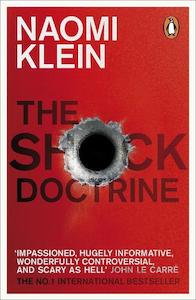
by Naomi Klein is a gripping, meticulously researched exploration of the dark side of capitalism and how crises have been systematically exploited to implement controversial policies. This groundbreaking work reveals the untold history of how governments and corporations have capitalised on disaster and turmoil to reshape societies according to their interests, often at the expense of the many and to the benefit of the few.
In this seminal book, Klein takes the reader on a journey across the globe, from the United States to the Middle East, from Britain to Asia, uncovering how economic shock therapy—a brutal method of implementing rapid market reforms—has been used to exploit natural disasters, war, and social upheaval. Through vivid storytelling and astute analysis, Klein exposes a chilling catalogue of events where the shock doctrine has led to profound societal transformation, often with devastating consequences.
The book delves into incidents such as the aftermath of the 2004 Indian Ocean tsunami, the plundering of Russia following the collapse of the Soviet Union, and the economic reshaping of Iraq during the American occupation. Klein's investigation uncovers the connections between these seemingly disparate events, demonstrating how a powerful elite has systematically used crises to push through free-market policies that favour large corporations and wealthy individuals.
The narrative is both thrilling and revelatory, shining a light on the "shock doctors" who orchestrate these transformations. With each chapter, Klein peels back another layer, exposing the machinations of these global profiteers and the ideological foundations that support their actions. She provides compelling evidence of how these strategies have been implemented with ruthless efficiency, often disregarding the suffering and chaos inflicted on the affected populations.
Naomi Klein’s incisive writing and fearless investigation make an essential read for anyone seeking to understand the forces shaping our world today. As John le Carré aptly put it, this book is "impassioned, hugely informative, wonderfully controversial, and scary as hell." It is a stark reminder of how power can be wielded in the shadows, reshaping societies while exploiting human misery for financial gain.