
Engineers of Victory
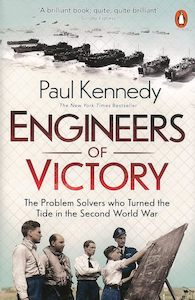
by Paul Kennedy offers a profound and captivating account of how the tides of the Second World War were turned in favour of the Allies through the ingenuity of problem-solvers and middle-men. This meticulously researched book delves into the often overlooked yet essential contributions of individuals whose innovative solutions and strategic thinking led to significant victories on the battlefield.
At the heart of this narrative is the pivotal meeting in January 1943 between Winston Churchill and Franklin D. Roosevelt in Casablanca. Faced with the daunting task of achieving unconditional surrender from the Axis powers, the Allied leaders had to overcome seemingly insurmountable challenges, such as gaining air superiority and executing successful amphibious invasions. Eighteen months later, the impossible had been achieved.
Kennedy brings to light the stories of unsung heroes like Major-General Percy Hobart, the mastermind behind the 'funny tanks' that played a crucial role in the success of the D-Day landings, and Captain Johnny Walker, who developed the tactics to effectively counter and destroy the menacing U-boats with a 'creeping barrage.' Their contributions are presented not just as historical facts, but as riveting narratives that illustrate the creative problem-solving and relentless determination behind the Allied victory.
Paul Kennedy, renowned for his influential work The Rise and Fall of the Great Powers, offers readers a refreshing perspective on the Second World War. His engaging writing style and detailed analysis make a valuable addition to the historiography of the conflict. As acclaimed historian Michael Beschloss notes, it is consistently original and an important contribution to our understanding of the war. David Edgerton of the Financial Times praises Kennedy’s ability to ask the right questions and dispel common clichés, providing rich insights into often neglected aspects of the war effort. The Washington Post highlights how Kennedy vividly and convincingly demonstrates the crucial impact of a few key individuals.
Beyond its military narrative, also offers broader reflections on the nature of innovation and leadership during times of crisis, making it an inspirational read for anyone interested in history, strategy, and problem-solving. With his authoritative voice and extensive scholarship, Paul Kennedy cements his reputation as one of the world's most respected historians. This book stands as a testament to human ingenuity and the extraordinary efforts of those who shaped the course of history.
Kennedy, the author or editor of nineteen books, has contributed significantly to historical scholarship with works translated into over twenty languages. His publications, which include The Rise and Fall of the Great Powers, Preparing for the Twenty-First Century, The Parliament of Man, and Rise and Fall of British Naval Mastery, have earned him a place among the most influential historians of our time.