
The Great Divorce
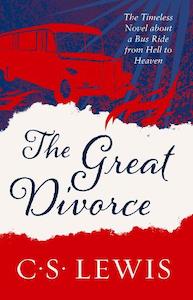
by C.S. Lewis is an enthralling allegorical tale that explores the contrasting realms of Heaven and Hell, and the impassable gulf that lies between them. In this brilliantly imaginative narrative, Lewis embarks on a moral and philosophical journey that challenges conventional beliefs and offers a profound meditation on the nature of good and evil.
The story begins with the narrator boarding a mysterious bus on a dreary, rainy afternoon. This seemingly ordinary journey soon transforms into an extraordinary pilgrimage as the bus travels through otherworldly landscapes, navigating the realms of the afterlife. Readers are introduced to a host of supernatural beings who defy the narrator's expectations: the discontented, spectral residents of Hell, who are trapped by their own choices and delusions, and the luminous, serene souls of Heaven, who beckon with messages of hope and redemption.
As the narrator converses with various inhabitants of these realms, he encounters a range of characters, each representing different moral failings and virtues, greed and generosity, pride and humility, despair and hope. Through these interactions, Lewis artfully examines deep philosophical questions about human nature, free will, and the eternal consequences of our earthly choices.
Inspired by and in dialogue with William Blake’s work, The Marriage of Heaven and Hell, stands as one of C.S. Lewis's most thought-provoking and enduring works. It serves both as a captivating narrative and a profound theological exploration. The novel's exquisite prose and rich allegorical content make it a timeless piece that continues to resonate with readers seeking insight into the spiritual dimensions of human life.
Ultimately, not just a story about the afterlife; it is a powerful, imaginative fantasy that invites readers to reflect deeply on their own lives, the choices they make, and the eternal significance of those decisions. This exquisitely written book is a testament to C.S. Lewis’s skill as a writer and his enduring legacy as one of the great minds of Christian literature.