
Niimbot M Series Cryogenic Nylon Labels 40 x 30 mm for -196 °C
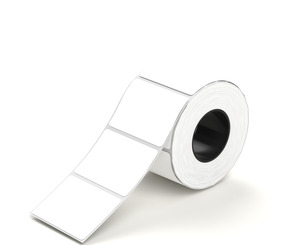
- Cryogenic Ductility: 5/5 (Specifically rated for Liquid Nitrogen immersion)
- Information Density: 5/5 (Ample space for 2D barcodes 4-line descriptors)
- Adhesion Integrity: 5/5 (High-tack formula designed for high-stress thermal transitions)
- Environmental Resilience: Exceptional resistance to moisture, frost-scraping, and UV-degradation. Strategic Applications: The Cryogenic Shield 1. Liquid Nitrogen (LN2) Archiving
In bio-banking and fertility clinics, the "Consequence of Failure" is the total loss of irreplaceable research or patient samples. These Nylon labels are engineered to survive the transition from ambient temperature directly into the liquid phase of nitrogen, ensuring the sample ID does not delaminate during the "Snap-Freeze" process. 2. High-Density Bio-Banking (ISO 17025)
The 40 x 30 mm area is the ideal real estate for "Audit-Ready" labeling. It allows for a high-resolution QR code that links directly to the Laboratory Information Management System (LIMS), providing a digital "Paper Trail" for every sample retrieved from a ULT (Ultra-Low Temperature) freezer. 3. Stem Cell & Genomic Research
Highly resistant to the chemicals and solvents used in laboratory decontamination (e.g., Ethanol, Isopropyl). The Nylon substrate accepts 300 DPI resin-ribbon printing, ensuring that micro-text remains sharp and smudge-proof even after multiple retrieval and thawing cycles. 4. Pharmaceutical Compliance & GMP
Satisfies the rigorous requirements for permanent sample identification in regulated pharmaceutical environments. The 180-label roll count is specifically sized for specialized batching projects, reducing media waste in low-volume, high-value clinical trial labeling. Hardware Compatibility
Fully compatible with the Niimbot M2 and M3 printers. To achieve the -196 °C cryogenic rating, these labels must be printed using an M-Series resin ribbon. The chemical bond created during the thermal transfer process ensures the print is scratch-proof and moisture-resistant, preventing the identification "wipe-out" failure common in standard ink-based or thermal direct systems.