
Mandarinquat Tree
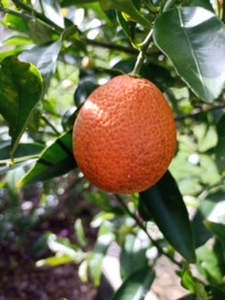
The Mandarinquat tree was first developed in California in the 1930s and has become increasingly popular in recent years. a hybrid between a mandarin orange tree and a kumquat tree.
Mandarinquat trees share characteristics of both parent trees. The skin is orange and usually smooth, though it can sometimes be slightly bumpy. The orange flesh of the Mandarinquat fruit is juicy and sweet, with a slight tartness reminiscent of kumquats. The skin is also edible, with a sweeter flavour than the flesh. Some people describe the taste of a Mandarinquat as similar to marmalade or candy.
Mandarinquat trees produce fruit that is small, round and typically 2-4 cm in circumference. They are larger than kumquats but smaller than most oranges.
Mandarinquat trees are small to medium in size, growing 2-3 meters tall and wide. They are easy to care for and can be grown in containers or planted in the ground. Mandarinquats are often used in decorative arrangements because of their beautiful orange colour.
Names
Mandarinquat, Indio Mandarinquat, Nippon orangequat, Citrus reticulata x Citrus fortunella sp.
Origin
California USA
Mature Size
2m x 2m
Foliage
Silver/ green leaves with delicate white flowers.
Soil
Plant in well-drained soil. Add compost or liquid feed if required. Water your tree regularly, especially during the first year.
Position
Plant your tree in a sunny location and protect from extreme frosts.
Flavour
A combination of sweet and tart, with the sweetness coming from the mandarin and the tartness from the kumquat.
Fruiting
Ripens in late autumn and winter, making it a perfect winter treat.
Fruit Uses
Can be eaten fresh, juiced, used in marmalade, pies, cakes, and other desserts. The rind can also be candied or used to make liqueurs.
- Store:
- Jungle Story
- Price:
- $44.95