
Coturnix Quails
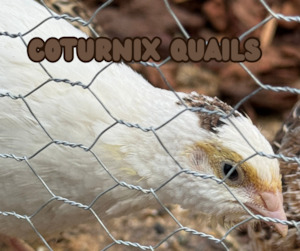
Coturnix quail (Coturnix japonica) are compact, gentle, and fast-growing birds often raised for their eggs, meat, or simply as low-maintenance backyard pets. With proper care, they are hardy and productive members of any small flock. 📏 Basic Info
Lifespan: 2–4 years (sometimes longer with excellent care)
Size: 6–8 inches in length
Weight: 100–150 grams (hens often slightly heavier than males)
Maturity: 6–8 weeks
Egg Production: 200–300 eggs per year (starting as early as 6 weeks old)
Temperament: Calm, quiet, ground-dwelling 🏠 Housing
Space Needs: 1 sq. ft. per bird minimum (more is better)
Pen Height: Ideally 10–12 inches to prevent injury from flushing (sudden jumping)
Flooring: Wire floors are common for cleanliness, but solid floors with bedding are better for foot health (use pine shavings, sand, or straw)
Shelter: Provide draft-free, predator-proof housing if outdoors
Lighting: 14–16 hours of light/day to encourage laying
🔒 Ensure enclosures are secure from predators—quail are small and vulnerable. Diet
Starter Feed (up to 6 wks): 24–28% protein game bird or turkey starter
Layer/Adult Feed: 18–20% protein for egg production
Supplements: Offer crushed oyster shell or calcium grit for laying hens
Treats: Mealworms, greens (kale, lettuce), herbs, millet spray,. in moderation
Water: Always provide clean, fresh water—use quail-safe waterers to prevent drowning Maintenance
Clean waterers daily and feed containers regularly
Spot clean droppings weekly; deep clean every 2–4 weeks depending on housing
Watch for ammonia buildup if kept indoors—ventilation is crucial! Health & Wellness
Common Issues: Mites, respiratory infections, foot sores (bumblefoot), calcium deficiency
Signs of Illness: Lethargy, fluffed-up feathers, sneezing, reduced egg production, limping
Prevention: Clean housing, quality diet, avoid overcrowding
🚫 Do not house with chickens—quail can be bullied or exposed to parasites. 🐣 Breeding Notes
1 male per 4–6 females is ideal for fertility
Incubation period: ~17–18 days
Chicks need a brooder at 95°F for the first week, reducing ~5°F per week 🐦 Fun Facts
Coturnix quail rarely go broody—incubation is typically done artificially
They come in a variety of colors like jumbo brown, Italian, tuxedo, and golden
Their eggs are speckled and about 1/5 the size of a chicken egg, but packed with nutrients
- Store:
- Paws And Claws Manawatu
- Price:
- $20