
Blind Cave Tetra
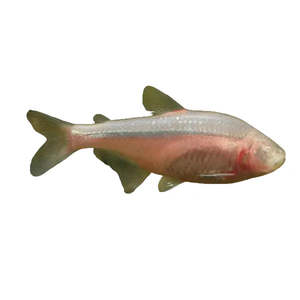
The (Astyanax mexicanus) is a unique freshwater fish adapted to life in complete darkness. Over generations, this species has lost its eyesight and pigmentation, resulting in a pale pink to white body and highly developed sensory systems.
s are active, hardy, and fascinating to observe. They rely on lateral line sensitivity rather than sight, making them confident swimmers even in low-light aquariums. Their resilience and unusual biology make them a popular choice for aquarists looking for something different. Physical Characteristics
Adult Size: Approximately 7–9 cm (3–3.5 inches)
Coloration: Pale pink to white, semi-translucent
Body Shape: Deep-bodied tetra profile
Eyes: Absent or vestigial
Sexual Dimorphism:
Females are typically rounder, especially when mature
Males are slightly slimmer Behaviour & Temperament
Temperament: Semi-peaceful
Tank Level: Mid to lower levels
Schooling Behaviour: Should be kept in groups of 6 or more
Activity Level: Active, especially during feeding Suitable Tank Mates
Medium-sized tetras
Corydoras catfish
Bristlenose plecos
Peaceful barbs
Other robust community fish
Avoid:
Very small or timid fish
Long-finned species
Aggressive or territorial fish Breeding Information
Spawning Type: Egg scatterer
Breeding Setup:
Slightly cooler water changes to trigger spawning
Fine-leaved plants or spawning mops
Parental Care: None
Notes: Adults may eat eggs; separation required for breeding Special Considerations
May nip fins if kept in small groups
Relies on scent and vibration when feeding
Performs best with regular feeding schedules
Prefers open swimming space rather than heavy planting Aquarium Requirements
Minimum Tank Size: 90–120 litres
Water Temperature: 20–26°C
pH Range: 6.5–8.0
Water Hardness: 5–20 dGH
Substrate: Sand or smooth gravel
Decor: Driftwood, shaded areas
Filtration: Moderate, well-maintained
Lighting: Moderate; plants help diffuse brightness Diet & Feeding
Diet Type: Omnivore
Recommended Foods:
High-quality flakes or micro pellets
Frozen foods such as daphnia and brine shrimp
Occasional live foods for conditioning
Feeding Frequency: Once or twice daily in small portions
We aim to provide up to date including ingredients, size and colour specifications, packaging and product features, as provided to us by the product manufacturer. As change from time to time, this information is intended as a guide only and some delay may occur in the updating of our listing. Product images are indicative of the appearance and the product delivered may vary slightly from the product image show. When precise information is important, we recommend that you read the label on the products you purchase or contact the manufacturer of the product.