
Caladium 'wightii' - 14cm / 1L / Small Plant
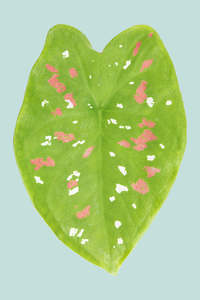
Caladium wightii is a classic, eye-catching variety known for its heart-shaped green leaves speckled with soft pink and crisp white markings. Each leaf is slightly translucent and appears hand-painted, with symmetrical patterns that vary from plant to plant. Compact and elegant, it brings a bright, uplifting feel to shaded garden beds or indoor displays. This variety is particularly popular for its balanced colour, manageable size, and reliable dormancy cycle.
Wightii
Wightii: Green, heart-shaped leaves dusted with confetti-like pink and white flecks. A cheerful and easygoing favourite! Comprehensive Care Instructions for Caladium wightii Lighting Requirements
Indoors: Place your Caladium wightii in bright, indirect light. Too much direct sunlight can fade or scorch the delicate leaf surface. An east- or north-facing window is ideal.
Outdoors: Thrives in partial to full shade. Ideal for underplanting trees, edging shaded paths, or container displays in covered patios. Watering Regimen
During the Growing Season (Spring to Early Autumn):
Water when the top 2–3cm of soil feels dry. Keep soil moist but not soggy. Avoid waterlogging by using free-draining potting mix.
Dormancy (Late Autumn to Winter):
As the leaves yellow and die back, reduce watering sharply. Stop watering once foliage has fully withered. Temperature & Humidity
Caladium wightii grows best in warm, humid conditions between 18°C–29°C.
In dry indoor spaces, mist regularly or use a humidity tray to replicate its tropical origin. Fertilizing
Feed every 4–6 weeks during active growth with a balanced, diluted liquid fertiliser. Avoid fertilising in dormancy. Overwintering Caladium Bulbs
To ensure your Caladium wightii thrives next season, follow these steps to store the bulbs correctly:
1. Recognizing Dormancy
Leaves naturally fade and collapse in late autumn as temperatures cool and days shorten. This is a normal part of the plant’s life cycle.
2. Preparing the Bulbs
Cut Back Foliage: Allow leaves to die back fully, then cut down to 1–2cm above the soil.
Digging Up Bulbs (If Outdoors): Carefully lift bulbs, remove excess soil, and avoid washing them.
3. Drying the Bulbs
Lay bulbs out in a dry, well-ventilated spot for 7–10 days to cure and harden the outer layer.
4. Storing for Winter
Place dry bulbs in a breathable container with dry sand, peat moss or sawdust.
Store in a dark space between 10°C–15°C, avoiding frost or dampness. Replanting Caladium Bulbs in Spring
1. Inspect Stored Bulbs
Discard any bulbs that are soft, shrivelled or mouldy.
2. Wake Up the Bulbs
Soak in warm water for 2–4 hours before planting to stimulate sprouting.
3. Planting Instructions
Indoors: Plant 5cm deep in moist, free-draining soil. Place in a bright spot with indirect light.
Outdoors: Wait until soil temperature stays above 18°C. Choose a shaded or semi-shaded position.
4. Care During Early Growth
Keep soil warm and moist. Shoots may take 2–4 weeks to emerge. Do not overwater during this period. Important Note: Dormancy Is Normal!
Caladium wightii naturally dies back in cooler months. This is not a sign of poor health—just a rest period before vibrant new growth in spring. Proper storage ensures your plant even stronger next season.
- Store:
- PlantHouse
- Price:
- $30