
Caladium bicolor x picturatum hybrid - 14cm / 1L / Small Plant
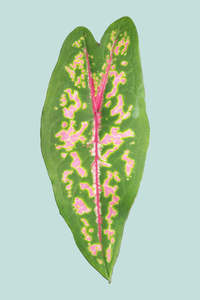
Caladium picturatum is a tropical standout featuring arrow-shaped leaves splashed with vivid pink blotches and lime-green halos along a bright magenta central vein. Unlike the more restrained wild-type picturatum, this hybrid brings a painterly, high-contrast look to any indoor space or summer patio display. Grown from tubers and seasonally dormant, it’s ideal for collectors or anyone craving bold colour with minimal care.
Picturatum (Hybrid Form)
Picturatum (Hybrid Form): Bright pink speckling and a vivid magenta midrib on a green, lance-shaped leaf. A neon jungle pop of colour!
Comprehensive Care Instructions for Caladium picturatum
Lighting Requirements
Indoors: Place your Caladium picturatum in bright, indirect light. Too much direct sun may bleach or burn the leaves, while too little can cause colour to fade. A north or east-facing window is ideal.
Outdoors: Prefers partial to full shade. Excellent for sheltered patios, under trees or shaded garden beds during the warm season.
Watering Regimen
During the Growing Season (Spring to Early Autumn):
Water regularly to keep the soil consistently moist but not soggy. Check the top 2–3cm of soil—if dry, water gently.
Use free-draining, organic-rich soil to avoid rot.
Dormancy (Late Autumn to Winter):
As foliage begins to yellow and die back, reduce watering significantly. The plant is entering dormancy, not dying.
Temperature & Humidity
Caladium picturatum thrives in warm, humid conditions between 18°C–29°C (65°F–85°F).
Indoors, increase humidity with misting or a pebble tray if the air is dry.
Fertilizing
Feed every 2–3 weeks during the active growing season with a diluted, balanced liquid fertiliser. Stop feeding once dormancy begins.
Overwintering Caladium Bulbs
To ensure your Caladium picturatum next season, follow these steps to overwinter the tubers properly:
Recognizing Dormancy
In late summer or early autumn, the bright foliage will fade and collapse. This is a natural dormancy phase triggered by cooler temps and shorter days.
Preparing the Tubers
Cut Back Foliage: Allow the leaves to yellow and wither fully before trimming them to 1–2cm above the soil line.
Digging Up Tubers (If Growing Outdoors): Gently lift tubers with a hand trowel. Shake off loose soil—do not wash.
Drying the Tubers
Place in a warm, dry, and well-ventilated space for 7–10 days. This cures the tuber and prevents rot during storage.
Storing for Winter
Once dry, place the tubers in a paper bag or breathable container filled with peat moss, sawdust or dry sand.
Store in a dark, cool spot between 10°C–15°C (50°F–60°F). Avoid freezing conditions.
Replanting Caladium Tubers in Spring
When warmer weather arrives, it’s time to reawaken your Caladiums:
Inspect Stored Tubers
Check for soft spots, rot or mould. Discard any compromised tubers.
Wake Up the Tubers
Soak in warm water for 2–4 hours before planting to encourage sprouting.
Planting Instructions
Indoors: Plant tubers 5cm deep in well-draining soil, pointy side up. Keep warm and place in bright, indirect light.
Outdoors: Wait until soil temps are consistently above 18°C. Plant in a shaded or semi-shaded garden bed using the same depth.
Care During Early Growth
Sprouting takes 2–4 weeks. Keep soil moist, warm and avoid overwatering during this time.
Important Note: Dormancy Is Normal!
Don’t mistake dormancy for plant death. Caladium picturatum is simply resting during the cooler months. With proper overwintering, your plant will burst back in spring—fresh, vibrant and full of colour.
- Store:
- PlantHouse
- Price:
- $30