
Kalanchoe daigremontiana - Mother of Thousands - 1L / 14cm / Small
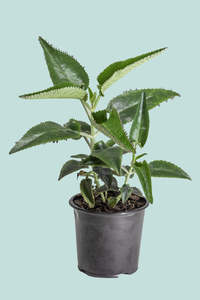
Kalanchoe daigremontiana, commonly known as Mother of Thousands, is a dramatic and fast-growing succulent famous for the tiny plantlets that form along the edges of each leaf. These baby clones eventually drop off and root wherever they land, giving the plant its common name. With thick, blue-green leaves marked by purplish undersides and saw-toothed margins, it makes a striking and slightly alien-looking addition to sunny windowsills or dry garden pots.
Native to Madagascar, Mother of Thousands thrives on neglect and is ideal for those new to succulents—but it can also spread quickly if given too much space. Best grown in containers to control its enthusiastic self-propagation.
Toxic if ingested. Comprehensive Care Instructions for Kalanchoe Mother of Thousands Lighting Requirements
Indoors: Requires bright, direct light for best growth. A north-facing window in New Zealand (or a sun-drenched windowsill) is ideal.
Outdoors: Grow in full sun to part shade. In warm climates, protect from intense afternoon sun to avoid leaf burn. Watering Regimen
Active Growing Season (Spring to Autumn):
Water thoroughly when the top 3–5cm of soil is dry. Always allow the pot to drain fully.
Dormant Period (Winter):
Water sparingly—once every 2–3 weeks may be sufficient. Ensure soil is dry before re-watering. Temperature & Humidity
Performs best in warm, dry conditions between 18°C–27°C.
Protect from frost—bring indoors if temperatures drop below 10°C. Avoid high humidity environments, which can encourage rot. Fertilizing
Feed lightly every 4–6 weeks during spring and summer with a cactus or succulent fertiliser. No feeding is needed in winter. Propagation & Containment
Mother of Thousands naturally produces plantlets along leaf margins. These will fall and root readily.
To manage spread, grow in containers and remove unwanted offsets regularly.
Plantlets can be potted up individually if desired. Repotting & Soil
Repot yearly in spring if the plant outgrows its pot.
Use a fast-draining cactus mix or a combination of potting soil, sand and perlite. Pests & Troubleshooting
Generally pest-free but may attract aphids or mealybugs in crowded or overly moist conditions.
Yellowing leaves often indicate overwatering. Remove any mushy or damaged growth promptly. Important Note: Caution with Children & Pets
Despite its popularity, this plant is toxic if ingested and can cause serious symptoms in pets or small children. Keep out of reach and handle with care.
- Store:
- PlantHouse
- Price:
- $20