
Horseradish
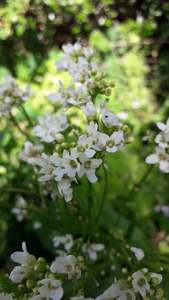
Botanical name: Armoracia rusticana
Life cycle: Perennial
Height: 60 cm
Position: Full sun / part shade
Soil preference: Moist / well drained
a hardy perennial with large, oval, wavy, green leaves that grow to approximately 60 cm long. It has a deep tap root up to 60 cm long and grows from a spreading rootstock and has umbels of white flowers in mid to late summer. Native to Europe and western Asia, this herb is widely cultivated for its pungent root, which is harvested in winter.
Uses
Culinary – usually grown for its root which is grated and made into horseradish sauce and served with fish or meat. Young horseradish leaves are edible and can be added to salads although the leaves can be extremely hot. The seeds can be sprouted and eaten.
Medicinal – valued for its potential medicinal properties as well as its taste. It is a powerful circulatory stimulant with antibiotic properties due to the mustard oil it contains. It is effective for lung and urinary tract infections because the mustard oil is excreted through these channels.
stimulates digestion, increasing gastric secretions and appetite. a cholagogue as it spurs the release of bile from the gallbladder, a key aspect of the digestive process that helps keep your whole system healthy.
a good diuretic, causing increased passing of urine. This can be good for a number of reasons, including the release of toxins from the body, cleanliness of the kidney, and a possible reduction in weight. Its diuretic effect is due to asparagin.
Pungent and warming, the roots are antimicrobial and excellent for clearing congestion in the sinus cavity and treating fevers, cold and flu.
packed with potentially beneficial nutrients and phytochemicals. These compounds have antioxidant characteristics that may boost the strength of the immune system and stimulate the activity and production of white blood cells, the body’s line of defence.
Externally it can be used as a poultice for painful and swollen joints, minor muscle aches and to stimulate blood flow.
Caution – Over-consumption of horseradish may irritate the gastro-intestinal tract. should be avoided by those with low thyroid function. A horseradish poultice may cause blistering.
Household - The leaves can be made into a tea to spray on plants to control fungal diseases.
Growing conditions
grows readily from any small piece of root left in the ground, so choose a position where it can stay, enrich the soil regularly with compost and manure, and dig and replant healthy roots every two to three years.
9cm pot.
Organically grown plant in a biodegradable coir pot.